What Sets Elite Jockey Club Apart in Modern Racing
Elle
Dec 5th 2025
Likes
Share:
In horse racing, one question surfaces often, what separates a solid Jockey Club from one operating at the highest level? Many fans point to the usual traits such as balance, timing, anticipation and pace judgment. These traits matter and often come naturally, yet they only describe the surface. The more telling qualities sit beneath public view, shaping decisions in the heat of competition.
The finest riders share one trait that is rarely mentioned.They don’t let the dread of an unfavorable outcome control them. These individuals are ready to gamble on tactical moves that may make them vulnerable to criticism, but at the same time, these gambles offer them opportunities to win races which would have otherwise gone to someone else.
Many riders choose safe decisions that protect them from backlash. A cautious approach keeps them clear of steward inquiries, online scrutiny, and owners questioning their judgment. While safe choices can secure respectable results, they rarely produce the kind of bold move that wins a race through strategy rather than raw talent, a trait expected of a Top Jockey.
A clear example played out at Sha Tin when Zac Purton guided Colourful King in a way few expected. Conventional tactics for the horse involved taking a forward spot or settling midfield. Purton decided on something entirely different. He allowed the horse to begin slowly, moved across the back of the field, and placed himself last to reach the section of the track that had been playing strongest near the outside rail, a move that impressed the Jockey Club’s race analysts.
It was a choice that carried the potential risks in horse racing. A moment of hesitation or a blocked run would have resulted in him being stranded, and he would have been heavily criticized. However, Purton believed in his track reading, his timing, and his ability to put his horse where it was necessary at the time. The winning was a result of the decision more than the sheer power of the horse. It showed why a Top Jockey separates themselves from the pack: they let instinct guide them rather than fear.
This type of decision-making is not common. Many riders are trained to avoid placing themselves in positions that can backfire. A boxed-in finish or a late run with no room can spark days of criticism. Owners require explanations, punters show their outrage and stewards from the Jockey Club request a detailed account. Therefore, a lot of riders decide to take the path which is most unlikely to attract notice, even if it entails diminishing their chances of winning. Recognition from the Jockey Club can hinge on these moments of calculated risk, highlighting the fine line a Top Jockey must walk.
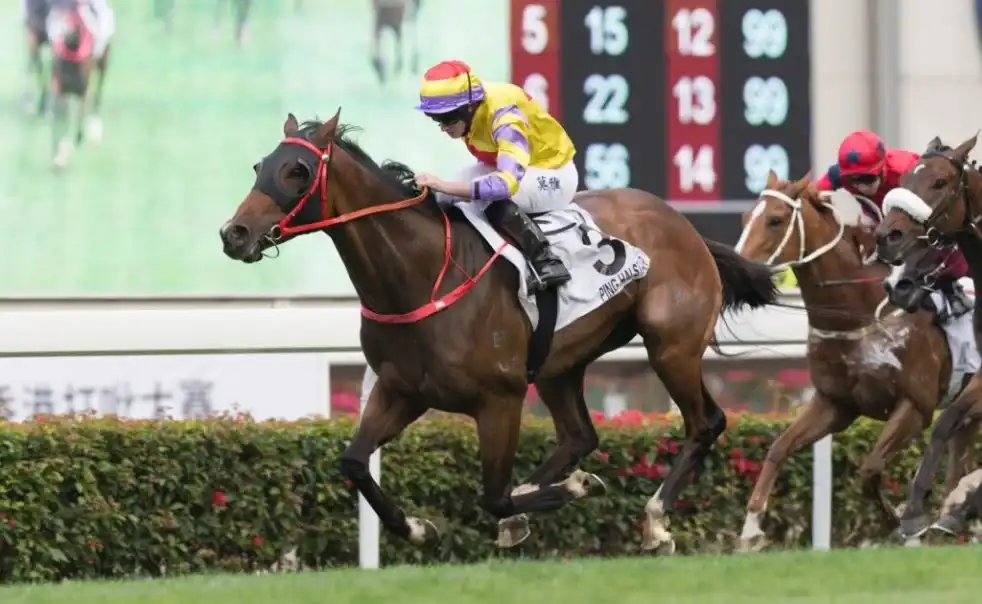
The defining characteristic of Ryan Moore is that he is a rider who is always willing to take potential risks in horse racing of a calculated nature. His portrayal of the scenario as though he was the one powering Ping Hai Star to glory at the 2018 Hong Kong Derby is definitely a memory that racing fans will keep for a very long time. He condensed is incredibly hard 2000m race and still managed to have that victory. Instead of forcing the horse to track others or hold a standard position, he allowed Ping Hai Star to settle quietly at the back, separate from the pressure of a packed group.
The patience Moore displayed would have been difficult for most riders, who might worry that allowing a horse to drop so far behind would invite accusations of misjudgment. If the horse finished with a late rush for second, many observers would have been unforgiving. Yet Moore trusted the horse’s rhythm and his own calculation that saving energy early would matter more than trying to keep up.
His approach paid off in the final stretch when Ping Hai Star surged past tired rivals to secure the win. It was a ride that highlighted the confidence required to make choices that run counter to expectation. Moore’s willingness to rely on his own reading of the race gave him an edge that others would not have pursued a level of skill often recognized by the Jockey Club .
Great riders share that same mindset. They know that putting up with criticism is in their nature of work and that results will never be sure. What concerns them more is not keeping out of trouble but working out the way that makes their horse most likely to win even if that means being criticized by the Jockey Club.
In a sport where split-second calls determine outcomes, the gap between good and elite is often defined by courage in decision-making. Riders like Purton and Moore show that fearlessness is not recklessness. Their choices, analyzed closely by the Jockey Club, demonstrate a commitment to trust experience, intuition, and a deep understanding of race patterns.
The public often sees only the final result. What they rarely see is the internal choice that shapes it: whether to play safe or push for greatness. Top jockeys choose the latter, even when the fallout might be fierce. That is what sets them apart.